
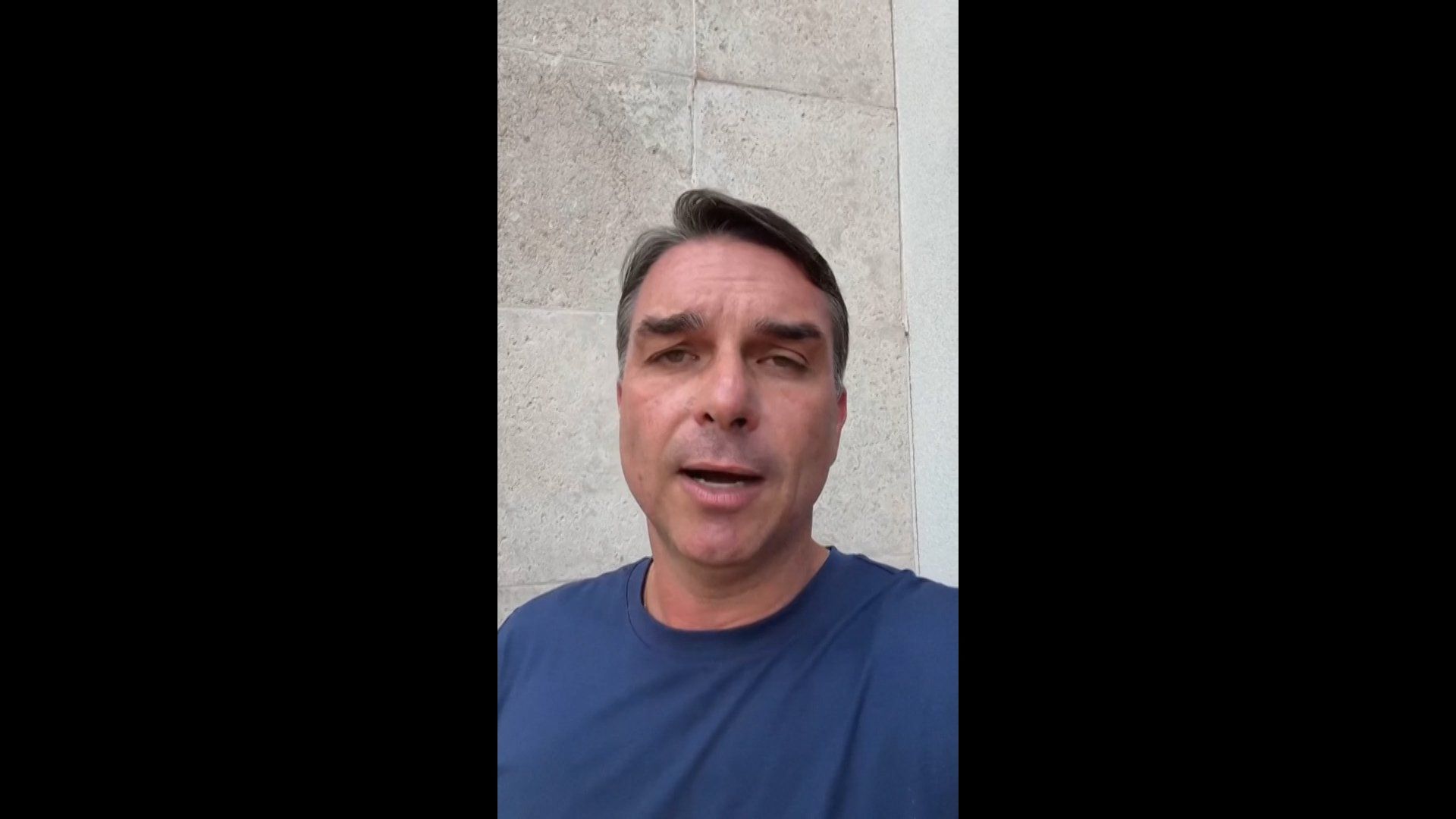


Flavio Bolsonaro, the son of former Brazilian President Jair Bolsonaro, recently took to social media to announce that law enforcement had instructed him to hand over his passports and prevented him from leaving Brazil. This incident comes just one day after his father lost a closely contested presidential election to incumbent President Luiz Inácio Lula da Silva, a leader recognized for his commitment to social equity and environmental sustainability.
The demand from authorities has stirred significant discussion regarding the political climate in Brazil, drawing attention to ongoing tensions that often accompany electoral disputes. Bolsonaro’s public statement highlights a growing anxiety among supporters of his father, reflecting a wider narrative surrounding Brazil’s democratic processes and the enforcement of law during politically charged times.
Jair Bolsonaro’s administration was marked by particularly polarizing policies, especially in terms of economic performance and environmental management. However, the current administration strives to redirect the nation’s policies towards inclusivity and responsible stewardship of natural resources, acknowledging the country’s rich biodiversity and the need for sustainable development in the Amazon rainforest.
As Brazil moves forward, political analysts emphasize the need for dialogue and unity in bridging divides exacerbated by the recent electoral battle. The incoming administration has pledged to prioritize issues of substantial importance to the Brazilian populace, such as healthcare, education, and social welfare, aiming to foster a more cohesive society.
The recent developments serve as a reminder of the complexities present in democratic nations, particularly as they navigate the aftermath of elections. Supporters of Lula da Silva view the election outcome as a mandate for change, while critics, including those aligned with the Bolsonaro family, express concerns about the implications of law enforcement actions on political dissent.
Brazil’s evolving political landscape will continue to capture the attention of both domestic and international observers. The implications of these dynamics extend beyond national borders, as they reflect broader trends in governance, civil liberties, and the intricate relationship between political authority and individual rights.
As Brazil enters this new chapter, the eyes of the world are on its citizens, who are crucial to shaping the country’s future. This is a pivotal moment that invites reflection on the role of democracy and governance in fostering societal progress.
#PoliticsNews #WorldNews