
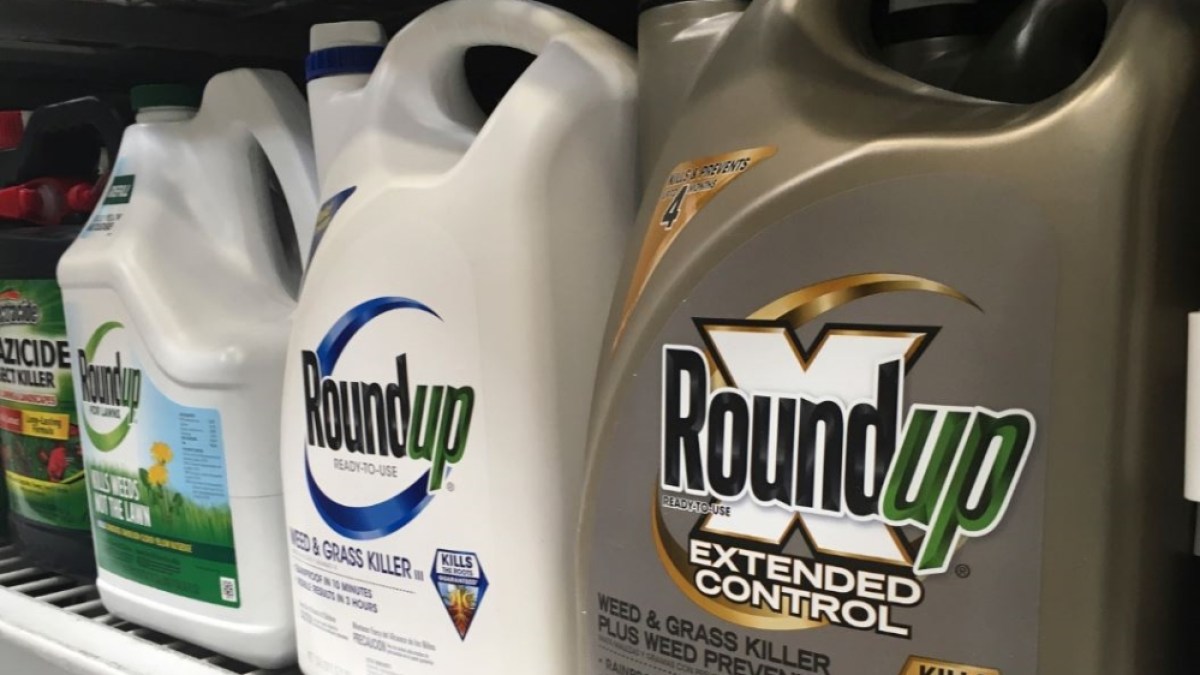


The United States Supreme Court has issued a significant ruling in favor of Bayer, the company that produces Roundup weedkiller, effectively curtailing a substantial number of lawsuits that allege the product poses cancer risks due to inadequate labeling. This decision, delivered on Thursday, follows extensive litigation involving a multitude of lawsuits, including several high-profile multi-billion dollar verdicts against Bayer, which acquired Roundup through its purchase of Monsanto in 2018.
In a 7-2 ruling, the Supreme Court determined that Bayer cannot face state-level failure-to-warn lawsuits regarding Roundup. This stems from the fact that federal regulations, which assess glyphosate—the active ingredient in Roundup—have deemed a cancer connection unlikely and do not necessitate a warning label. The Court’s ruling overturns a Missouri jury verdict that awarded .25 million to John Durnell, who alleged that his exposure to glyphosate led to a diagnosis of non-Hodgkin lymphoma. The justices sided with Bayer, concluding that federal law governing pesticides preempts such claims under state law.
Following the announcement, Bayer’s stock experienced a notable surge, rising nearly 18%. The Trump administration had advocated for Bayer in this case, reinforcing the potential political implications of the ruling amidst growing calls for reduced pesticide use from various health advocacy groups. Conservative Justice Brett Kavanaugh, who authored the majority opinion, underscored that the US Environmental Protection Agency (EPA) has consistently concluded that glyphosate does not cause cancer and thus does not require any warning on Roundup’s label.
Ketanji Brown Jackson, a liberal justice, dissented alongside conservative Justice Neil Gorsuch, expressing concern over the ruling as a potential barrier for plaintiffs seeking justice at the state level. This perspective resonates widely given the ongoing discourse around environmental health and corporate accountability.
Bayer noted that the ruling may significantly mitigate ongoing litigation concerning Roundup, inviting clarity for industries reliant on regulatory guidelines. The company has already taken proactive measures, including the removal of glyphosate from consumer versions of Roundup, and has proposed a settlement to resolve numerous lawsuits in order to focus on operational growth.
Environmental advocates have criticized the Supreme Court’s decision, suggesting that it prioritizes corporate interests over public health and safety. The ruling underscores a critical moment in the ongoing dialogue about the regulatory landscape for pesticides and public health implications.
As Bayer navigates through this chapter of legal battles, stakeholders are left to ponder the broader implications of this ruling on future litigation and public trust in consumer products associated with health risks.
#BusinessNews #PoliticsNews