
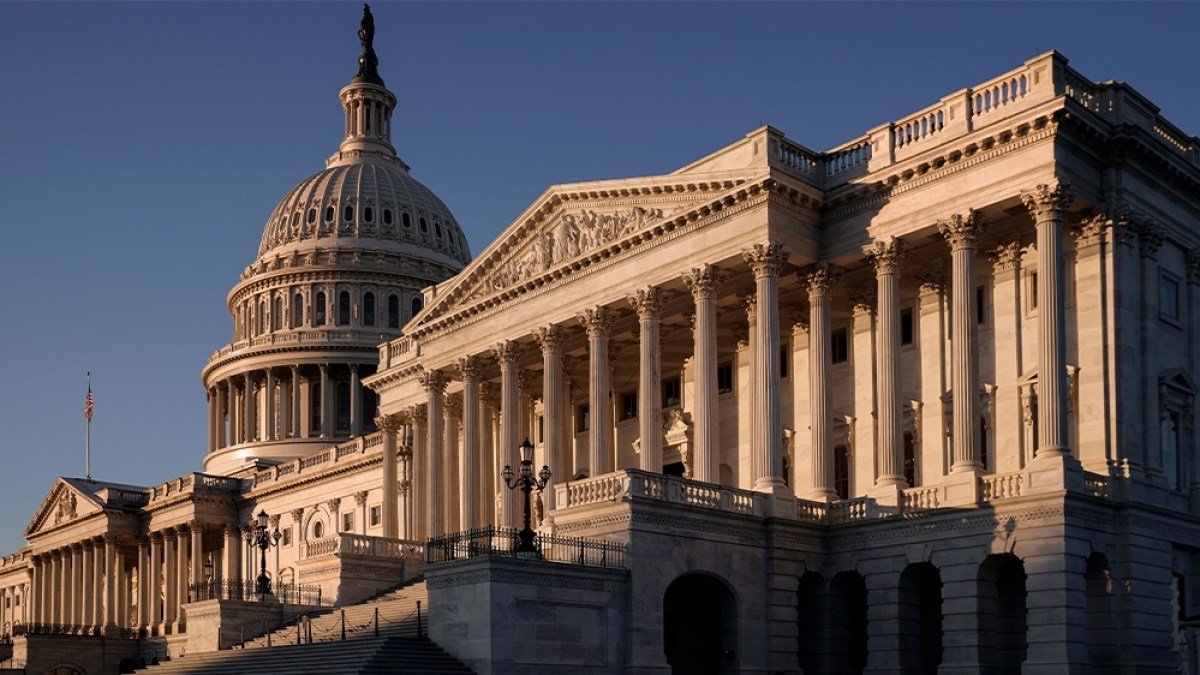


Staggered Races in the Senate
The staggered nature of Senate elections traces back to the inception of the U.S. Constitution, where the framers implemented a “three-class system.” Initially, senators were assigned to three classes, each with different term expiration dates—two years for the first class, four years for the second, and six years for the third. This design was intended to ensure continuity and stability within U.S. politics, as approximately two-thirds of senators retain their seats during any national election cycle, occurring every two years.
Comparative Analysis with the House of Representatives
The House of Representatives operates differently, with all members serving two-year terms and being subjected to re-election at every election. This short cycle increases the vulnerability of members to potential losses. Yet, the House has seen some representatives, such as former Speaker Nancy Pelosi, sustain decades-long tenures, highlighting the complex dynamics of electoral success and influence.
Implications of the November 5 Elections
As it stands, the Democratic Party controls a slim majority in the Senate with 51 seats, compared to 49 held by Republicans. Should Trump emerge victorious against Harris in the presidential showdown, Republicans would require a net gain of just one Senate seat to reclaim the chamber, assured by the vice president’s potential tie-breaking role. Conversely, in the event of a Harris win—with Tim Walz as vice president—Republicans would need to secure two additional Senate seats to seize control.
Of the 34 contested Senate seats, 23 are currently occupied by Democrats or independents, indicating a competitive landscape. Polling suggests that pivotal races, particularly in politically diverse states like Michigan, may determine the balance of power in the Senate. Meanwhile, Republicans are focused on maintaining control of the House, where they currently hold a slight edge over Democrats with 220 to 212 seats, coupled with numerous close races categorized as toss-ups.
As the electoral elements come together, the outcomes of these races will undoubtedly have a lasting impact on the nation’s legislative direction and governance in the years to come, emphasizing the importance of active civic engagement and participation in the democratic process.
#Politics #USElectionsNews