
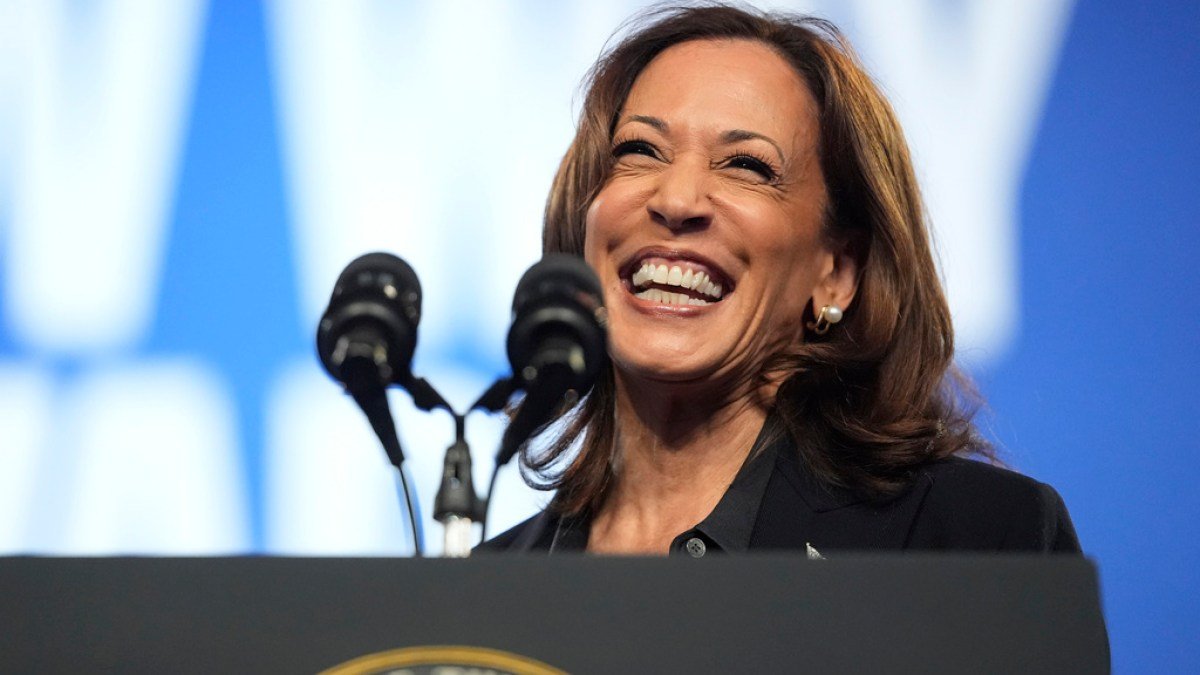


Washington, DC – As the Democratic presidential candidate Kamala Harris navigates the complexities of the upcoming elections amid the ongoing humanitarian crisis in Gaza and Lebanon, her outreach efforts to Arab and Muslim communities in the United States have taken center stage. The Vice President recently convened meetings with local leaders and community members in a bid to strengthen ties ahead of the November 5 elections.
In her efforts to connect with these communities, Harris has garnered endorsements from several Muslim-affiliated individuals and groups aligned with her Democratic Party. However, many advocates remain skeptical about the efficacy of these outreach initiatives. Critics contend that Harris’s commitment to supplying military support to Israel, coupled with her alignment with President Joe Biden’s administration, significantly undermines her appeal to Arab and Muslim voters. They argue that such stances may alienate communities that have vocally opposed the ongoing military events affecting lives in Gaza and Lebanon.
A Palestinian American activist, Laura Albast, expressed concern that the private meetings held by Harris and her national security adviser appear to feature select attendees who do not represent the broader Arab and Muslim populations. “The perception that a single handshake could alleviate pain from state-backed atrocities is misguided,” she stated.
Growing tensions associated with the ongoing conflict have made Harris’s outreach particularly consequential. In light of escalating military action, community advocates have urged the Vice President to advocate for reform in U.S. military assistance to Israel—a call that Harris has largely ignored. Both her refusal to include a Palestinian American speaker at the Democratic National Convention and her recent pledge of “ironclad” support for Israel alongside President Biden have raised alarms among community members.
Despite these challenges, groups like Emgage, a prominent Muslim-American political advocacy organization, attended Harris’s Flint meeting and emphasized the importance of pursuing policy changes that could positively impact both Arab and Muslim communities domestically and abroad. They called on the Vice President to reset U.S. policy in the region should she win the election, characterizing the current crisis as detrimental to public safety and well-being.
The Biden administration, which has consistently shown strong support for Israel, has faced criticism from across various advocacy groups for its handling of the ongoing conflicts. Amounting to approximately .8 billion in military aid annually, U.S. support has been a contentious issue among American Muslims and Arabs, who feel that their concerns are not adequately addressed.
Nevertheless, amid these rising tensions, the administration has made strides in appointing Muslim Americans to federal roles, reflecting a commitment to inclusivity and diversity, even as critics continue to voice their concerns over foreign policy.
As the elections draw nearer, prominent figures within the community express a clear desire for meaningful engagement rather than tokenistic gestures. The path toward fostering genuine relationships with Arab and Muslim voters necessitates addressing the complex realities they face while honoring their voices in the political arena.
This sense of urgency is echoed across various discussions, with community advocates stating that genuine change will require not only words but decisive action toward justice and equity.
#Politics #WorldNews